
How RMA Tracking Software helps electrical suppliers
2026-10-17
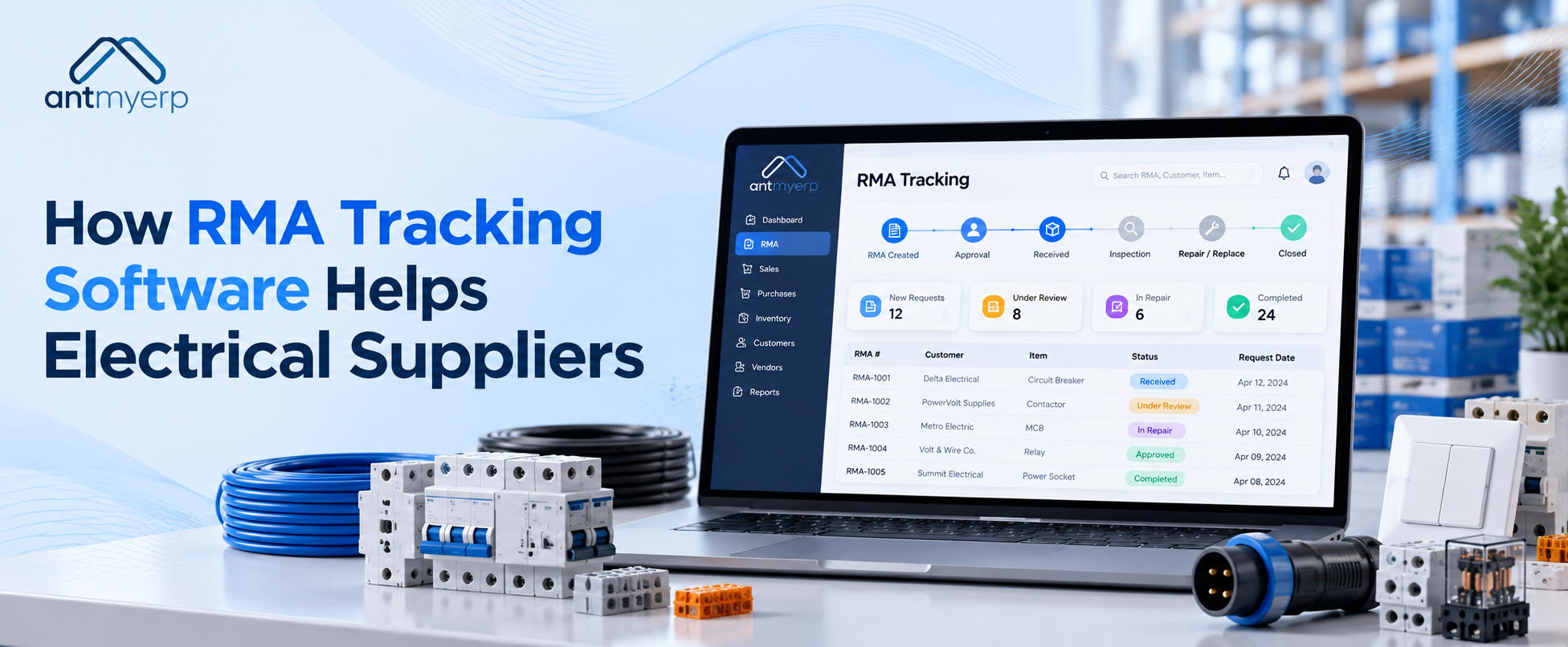
An RMA tracking system helps electrical suppliers manage returns, verify warranty eligibility, monitor inspections and repairs, and track cases through resolution. It also helps teams identify recurring return reasons and maintain accurate records. With RMA software, suppliers can improve visibility into their return management process.
Electrical suppliers regularly handle returned products, warranty complaints, damaged components, and equipment that requires inspection or repair. Without a clear process, tracking each return can become difficult, especially when several customers, products, and service requests are involved.
An RMA tracking system helps suppliers record return requests, monitor approval status, coordinate inspections, and track each case until closure. With the right RMA software, teams can maintain clearer records and make better decisions about repairs, replacements, and returns.
How an RMA Tracking System Helps Suppliers Manage Returns
When a customer returns an electrical component, the supplier needs to determine what happens next. The product might qualify for warranty service, require repair, need replacement, or be unsuitable for return.
An RMA tracking system keeps information about each return in one place. Teams can review the return reason, product details, warranty information, inspection findings, and the next action required. This reduces dependence on scattered emails, spreadsheets, and manual follow-ups.
Five Questions Every Supplier Should Be Able to Answer
1. Why was the product returned?
Recording the return reason helps teams identify recurring issues, such as defective components, shipping damage, incorrect orders, or installation problems. Over time, these records can help suppliers recognize patterns and discuss recurring product issues with manufacturers.
2. Is the product eligible for warranty service?
Before approving a return, teams may need to verify purchase dates, warranty coverage, serial numbers, and supporting documents. Keeping these details with the RMA record makes it easier to review claims and explain decisions to customers.
3. What is happening to the returned product?
A return request can pass through several stages, including submission, approval, receipt, inspection, repair, replacement, and closure. RMA management software helps teams monitor these stages and identify cases that need attention.
4. Does the return affect available stock?
Returned products should not automatically be treated as ready-to-sell inventory. Some items may need inspection, testing, or repair before they can be used or resold. Connecting return records with inventory management processes helps teams distinguish usable stock from products awaiting evaluation.
5. Has the customer received a resolution?
A return is not complete simply because the product has reached the supplier. Teams also need to track the final decision, repair or replacement status, and customer communication. Clear records make it easier to follow up on pending cases and confirm closure.
From Customer Complaint to Case Closure
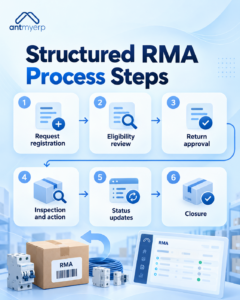
A structured RMA process typically follows these steps:
- Request registration: Record customer details, product information, serial number, and the reason for return.
- Eligibility review: Check warranty terms, purchase details, and supporting documents.
- Return approval: Document whether the request is accepted, rejected, or requires further information.
- Inspection and action: Record findings and determine whether the product needs repair, replacement, or another resolution.
- Status updates: Keep the case status current so relevant teams can follow progress.
- Closure: Record the final outcome and complete the necessary customer communication.
A consistent process makes it easier to track each return from registration to final resolution. Learn more about RMA workflow management and how structured workflows help teams coordinate return-related activities.
What RMA Data Can Reveal About Your Business
Return records can provide useful insights beyond the status of individual cases. Electrical suppliers can review common return reasons, frequently affected products, warranty claim patterns, and the time required to resolve cases.
For example, repeated returns involving the same electrical component may indicate a product quality issue or a recurring installation problem. A growing number of unresolved cases may point to delays in inspection, repair, or customer communication.
Tracking these trends can also reveal how unresolved returns affect inventory and operational costs. Learn more about RMA management software and dead stock.
These insights help suppliers identify recurring problems, review their return processes, and make informed decisions. However, the value of RMA data depends on maintaining accurate records and reviewing them regularly.
RMA Tracking Is Not the Same as Inventory Tracking
Inventory tracking focuses on stock quantities, locations, and movements. RMA tracking focuses on the return request and its progress toward a resolution.
The two processes are connected, but they serve different purposes. An electrical component may be physically received while still awaiting inspection. Another product may be under repair and unavailable for sale. Recording the RMA status alongside the relevant inventory process helps prevent confusion about product availability.
What to Evaluate Before Selecting RMA Software
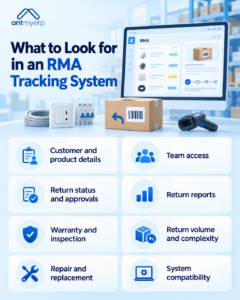
Electrical suppliers should evaluate an RMA system based on their actual return process. Consider whether it supports:
- Recording customer, product, serial number, and return-reason details.
- Tracking return approvals and case status.
- Maintaining warranty and inspection records.
- Documenting repair, replacement, and closure decisions.
- Giving relevant teams access to current case information.
- Reporting on return reasons, pending cases, and resolution progress.
The right choice depends on product complexity, return volumes, team responsibilities, and the supplier’s existing systems.
Where AntMyERP Fits Into the Return Process
AntMyERP’s RMA software helps businesses manage return-related activities. Electrical suppliers can review its available features to determine whether they meet their requirements for tracking requests, monitoring cases, and coordinating resolutions.
Before adopting a solution, suppliers should confirm that its features, reporting options, and integrations meet their operational requirements.
Conclusion
For electrical suppliers, effective return handling requires more than recording that a product has been sent back. Teams need to understand why it was returned, whether it qualifies for warranty service, what action is pending, and when the case has been resolved.
An RMA tracking system provides a structured way to maintain these records and monitor progress. Suppliers can explore our RMA software to assess whether it fits their return management requirements.